
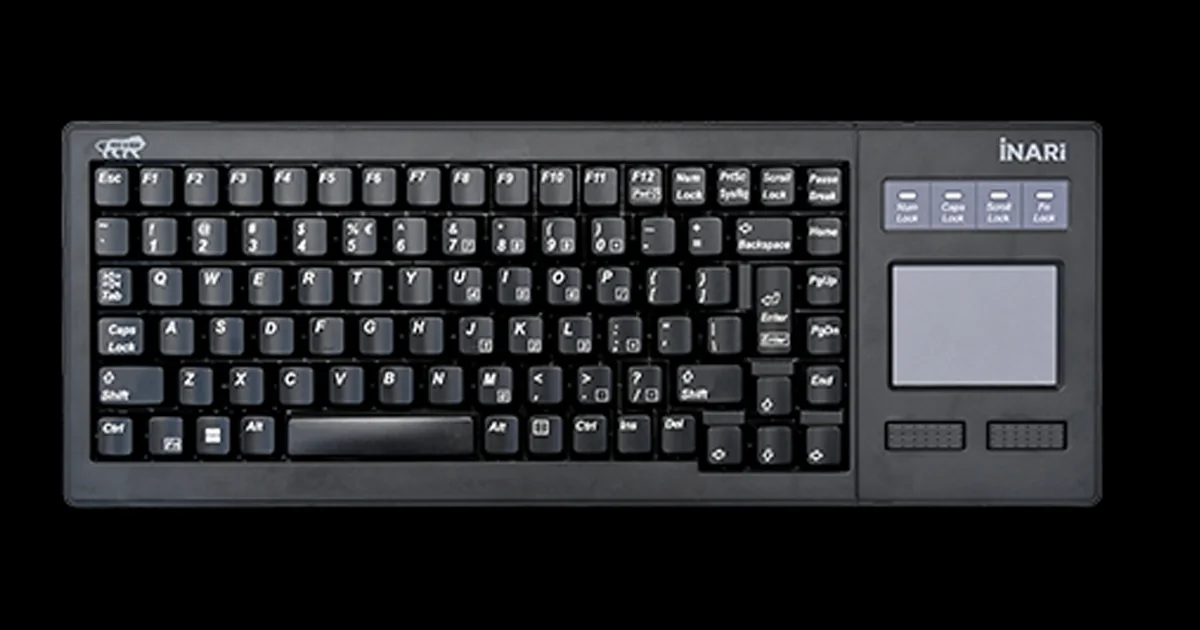
Keetronics ( India ) Pvt. Ltd. is recognized as a leader in military-grade (MIL-SPEC) keyboard and Human-Machine Interface (HMI) manufacturing due to its specialized engineering, strict adherence to military standards,....
A military-grade keyboard (MIL-SPEC keyboard) is an ultra-durable, heavily engineered input device built to function reliably in extreme combat zones, naval vessels, aerospace cockpits, and harsh field environments where standard consumer keyboards would quickly fail.
A military-grade keyboard (also known as a MIL-SPEC or rugged keyboard) is an ultra-durable input device designed to operate reliably in extreme environments where standard commercial keyboards would instantly fail—such as active combat zones, naval vessels, aerospace cockpits, and harsh industrial sites.
Key Characteristics & Features
1. Environmental Sealing & Waterproofing
-
IP Ratings: Typically rated IP65 to IP69K, making them completely dustproof, resistant to jets of water, and capable of being submerged or pressure-washed.
-
Chemical Resistance: Built to resist corrosive chemicals, oils, fuels, and harsh disinfectant cleaning solutions.
2. Strict Military Standard Compliance
-
MIL-STD-810: Ensures the keyboard can survive mechanical shocks, continuous extreme vibration, humidity, salt fog, sandstorms, and extreme temperatures (from freezing cold to high heat).
-
MIL-STD-461: Enforces strict Electromagnetic Interference (EMI) shielding. This guarantees the keyboard won't emit signals that interfere with sensitive military radios, radars, or sonar systems—and won't malfunction when exposed to external electronic interference.
3. Tactical & Night Operations
-
NVIS Backlighting: Compatible with Night Vision Imaging System (NVIS) equipment. Operators wearing night-vision goggles can read the keys clearly without causing optical bloom or revealing their location to enemy optics.
-
Tactile Feedback: Keys are often designed with high actuation force or distinct travel distance so soldiers can feel keypresses while wearing thick protective gloves.
4. Heavy-Duty Construction & Integrated Controls
-
Enclosures: Made from machined aircraft-grade aluminum, stainless steel, or high-polymer silicone skins.
-
Integrated Pointer Devices: Instead of relying on an external mouse, they often incorporate sealed trackballs, touchpads, or isometric joysticks that also carry full IP/MIL-STD ratings.
A military-grade keyboard (or MIL-SPEC keyboard) offers several key benefits engineered specifically for high-stakes, high-impact, and extreme operational environments:
Key Benefits
1. Extreme Durability & Environmental Protection
-
Water & Dust Proofing: With high ingress protection ratings (typically IP65 to IP69K), these keyboards are completely sealed against fine dust, sandstorms, heavy rain, or full water immersion. They can even be pressure-washed or disinfected with harsh industrial chemicals without damage.
-
Temperature & Shock Resistance: Built to meet MIL-STD-810 standards, they withstand extreme thermal shock (from sub-zero temperatures to intense desert heat), violent vibrations, and heavy impact drops.
2. Operational Reliability in Tactical Scenarios
-
Night Vision Compatibility (NVIS): Many models feature specialized adjustable backlighting that works with Night Vision Imaging System goggles without producing blinding glare or giving away an operator's position in low-light/stealth operations.
-
Gloves-On Usability: Keycaps and switches are designed with distinct tactile feedback, deep travel, or higher actuation force, allowing personnel to type accurately while wearing thick tactical or hazmat gloves.
3. Electronic Security & Signal Protection
-
Electromagnetic Shielding: Designed to satisfy MIL-STD-461 requirements, preventing the keyboard from emitting electromagnetic interference (EMI) that could disrupt sensitive radio, radar, or sonar systems—and ensuring it remains immune to external electronic interference.
4. Space-Saving & All-in-One Design
-
Integrated Pointing Devices: They frequently include built-in, sealed trackballs, touchpads, or joysticks. This eliminates the need for a separate mouse, saving critical desk space inside military vehicles, submarines, aircraft cockpits, or field command stations.
The manufacturing process of a military-grade keyboard is a highly specialized engineering workflow designed to ensure every unit meets rigorous military standards (MIL-STD-810 for environmental durability and MIL-STD-461 for electromagnetic compatibility).
Unlike consumer keyboards assembled on high-speed consumer lines, military keyboards undergo precision machining, multi-layer environmental sealing, and extensive compliance testing.
1. Material Selection & Enclosure Machining
-
Precision CNC Machining: Enclosures are typically machined from 6061-T6 aircraft-grade aluminum or 316 stainless steel to resist physical impact, crushing forces, and saltwater corrosion. High-strength engineered polymers are used when lightweight portability is required.
-
Surface Anodizing & Coatings: Metal housings undergo hard-coat anodizing or chemical-resistant polyurethane powder coating to withstand petroleum, jet fuel, solvent exposure, and salt fog.
2. PCB Fabrication & Environmental Potting
-
Conformal Coating: The Printed Circuit Board (PCB) is coated with a silicone, acrylic, or polyurethane film that forms a moisture- and chemical-impermeable barrier over sensitive traces.
-
PCB Potting: In extreme-duty models, the entire electronic sub-assembly is encapsulated ("potted") in solid epoxy or polyurethane resin, insulating components from violent shock, high-G impacts, and total liquid submersion.
3. Switch Mechanism & Silicone Keypad Molding
-
Silicone Rubber Sheets: Many military keyboards use a single-piece molded silicone rubber key matrix. The seamless sheet acts as both the spring mechanism for the keys and an impenetrable front seal against dust and liquid ingress.
-
Gold-on-Gold Contact Switches: Switches often use gold-plated contacts to prevent oxidation, ensuring low contact resistance and millions of reliable actuations across sub-zero to extreme heat ranges.
-
Laser-Etched Markings: Key legends are laser-etched onto painted silicone or dual-molded plastic keycaps so letters never rub off under heavy wear or when operated with abrasive tactical gloves.
4. EMI / RFI Shielding Integration
To comply with MIL-STD-461 for electromagnetic compatibility:
-
Conductive Coatings & Gaskets: Conductive coatings, silver/nickel-filled silicone gaskets, and mesh screens are applied along housing seams and display cutouts to block unwanted RF emissions and protect against external interference.
-
Ferrite Filtering & Shielded Cabling: Internal wiring and braided USB/PS2 cables use heavy ferrite cores and metallic shielding to prevent signal leakage that could be intercepted by hostile electronic warfare systems.
5. Backlighting & NVIS Integration
-
Night Vision Compatibility (NVIS): Backlighting uses specialized optical filters or dedicated NVIS Green-B LEDs designed to avoid blooming or washing out Night Vision Goggles during stealth night operations.
-
Light-Guide Plates: Uniform light distribution is achieved using optical grade polycarbonate light pipes embedded directly beneath the sealed silicone layer.
6. Final Assembly & Sealing
-
O-Ring & Gasket Compression: The top plate, silicone matrix, PCB, and bottom chassis are bolted together using stainless steel fasteners tightened to exact torque specifications, compressing internal O-rings to achieve IP67, IP68, or IP69K ratings.
-
Integrated Pointer Devices: Sealed optical trackballs, pressure-sensitive joysticks, or potted touchpads are integrated directly into the chassis with matching environmental seals.
7. Testing & Quality Assurance
Before deployment, units undergo rigorous batch or individual qualification tests:
Keetronics ( India ) Pvt. Ltd. is recognized as a leader in military-grade (MIL-SPEC) keyboard and Human-Machine Interface (HMI) manufacturing due to its specialized engineering, strict adherence to military standards, and end-to-end in-house production capabilities.
Key Reasons Keetronics Excels in MIL-Grade Keyboard Manufacturing
1. Decades of Specialized Defense Expertise
-
30+ Years in HMI Technology: With over three decades of experience and more than 7,000 completed projects, Keetronics has specialized expertise in building ruggedized input systems for combat vehicles, naval vessels, aerospace cockpits, and mobile command stations.
-
Proven Military Product Lines: Keetronics manufactures tactical models—such as the MIL KEY series and INARI keyboards—specifically engineered for space-constrained and mission-critical military platforms.
2. Strict Military & Environmental Compliance
-
MIL-STD-810 Compliance: Keyboards are engineered to withstand severe mechanical shocks, continuous g-force vibration, extreme operating temperatures (sub-zero to high heat), high humidity, and salt fog exposure.
-
MIL-STD-461 EMI/EMC Protection: Integrated shielding—using transparent conductive meshes, copper taping, and specialized gasketing—prevents electromagnetic emissions that could disrupt radar, sonar, or tactical radios.
-
IP67 to IP68 Sealing: Keyboards feature waterproof, dustproof, and chemical-resistant enclosures that allow full submersion and easy washdowns in severe environments.
3. Tactical Operational Features
-
NVIS-Compatible Backlighting: Keyboards incorporate specialized Night Vision Imaging System (NVIS) filters and Green-B LED backlighting to allow operators to type while wearing night-vision goggles without causing optical glare.
-
Tactile Feedback for Blind & Gloved Operation: Keetronics utilizes proprietary technologies—such as Drive Epoxy Foam and silicone rubber key matrices—to provide tactile key travel that enables soldiers to operate controls blindly or while wearing heavy tactical gloves.
-
Integrated Pointing Devices: Keyboards often integrate sealed IP67/IP68 touchpads or trackballs directly into the chassis to eliminate the need for external mice in tight tactical quarters.
Need a custom HMI architecture for harsh operating conditions?
Talk to Our Team