
Custom Membrane Keypad Manufacturers
Keetronics (India) Pvt. Ltd. a leading custom membrane keypad manufacturers in India, is offering the best quality of membrane keypads that act as an interface between humans and machines. These are made with high-quali...
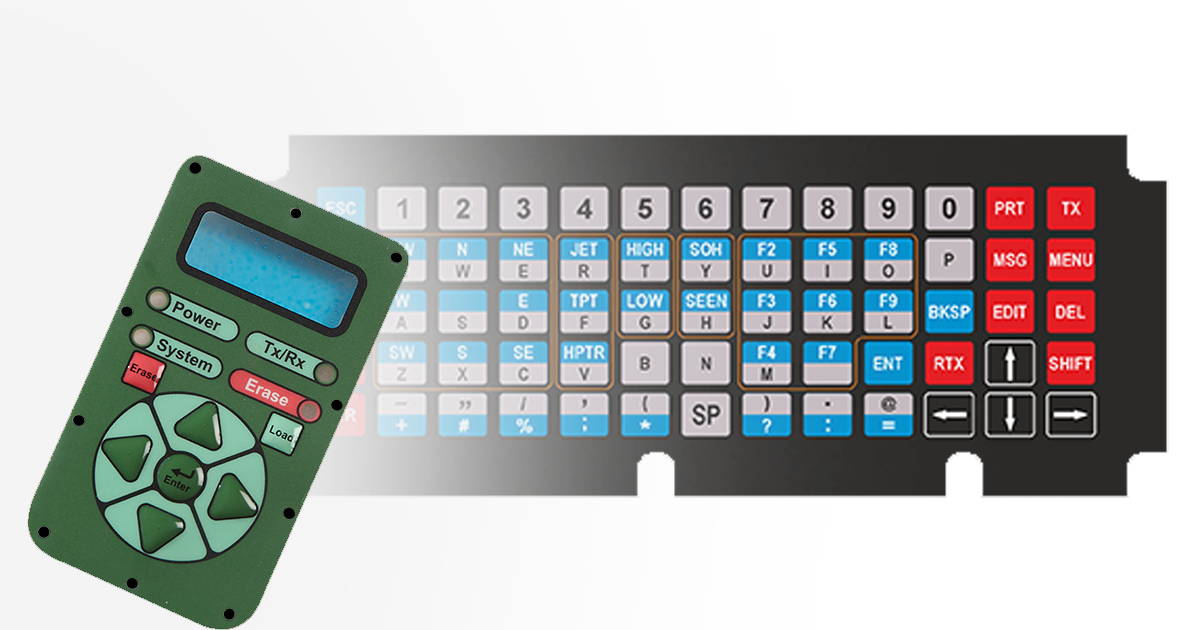
The custom membrane keypad manufacturing process involves several precise steps, combining graphic design, material cutting, screen printing, and layer assembly:
1. Design & Engineering
-
Artwork & Layout: Engineers design graphic overlays, button locations, LED windows, circuit schematics, and pinout configurations using CAD software.
-
Material Selection: Polyester (PET) or Polycarbonate (PC) is selected for the graphic overlay, while conductive inks (silver and carbon) are chosen for the circuitry.
2. Printing & Curing
-
Graphic Overlay Printing: Graphics, text, and colors are reverse-screen-printed or digitally printed onto the underside of a clear PET/PC sheet to prevent wear and scratching.
-
Conductive Circuit Printing: Conductive silver and carbon inks are screen-printed onto a flexible substrate (such as PET film) to create the electrical trace patterns and switch contacts.
-
UV/Thermal Curing: The printed layers are baked or treated with UV light to fully cure the conductive inks and graphics.
3. Embossing & Dome Placement (Optional)
-
Embossing: Key locations on the graphic overlay are thermo-formed or cold-embossed to create tactile rims or pillow domes for finger guidance.
-
Metal/Polydome Assembly: Metal tactile domes or molded polydomes are placed directly over switch contacts on the circuit layer to provide crisp tactile feedback upon pressing.
4. Cutting & Component Integration
-
Precision Die-Cutting: Laser cutting or CNC steel-rule dies are used to cut out window clearings, mounting holes, perimeter shapes, and tail connections.
-
Surface-Mount Technology (SMT): Surface-mount LEDs, resistors, or connectors are soldered or bonded using conductive epoxy directly onto the flexible circuit traces.
5. Layer Lamination & Testing
-
Adhesive Assembly: Specialized double-sided acrylic adhesives (such as 3M 467MP/468MP) are used to laminate the graphic overlay, upper circuit layer, spacer layer, and bottom circuit layer into a unified, sealed unit.
-
Final QC & Testing: Every custom assembly undergoes 100% automated electrical testing for pin-to-pin continuity, actuation resistance, LED functionality, and environmental sealing checks.
Keetronics (India) Pvt. Ltd. is widely considered a top choice for custom membrane keypad manufacturing due to several key advantages:
1. Specialized Technological Expertise
-
Duraswitch Technology: Keetronics holds specialized capabilities in integrated Duraswitch technologies (Pushgate and Magneto), offering tactile feedback that combines mechanical durability with membrane compactness.
-
Capacitive Touch Solutions: Beyond traditional membrane switches, they produce capacitive touch keypads behind glass, acrylic, or plastic with integrated backlighting.
-
Diverse Circuit Substrates: They offer Flexible Printed Circuits (FPC), Printed Conductive Film (PCF), and rigid PCB-backed keypads based on project requirements.
2. High Customization & Design Flexibility
-
Aesthetic Enhancements: Ability to reverse-screen print complex graphics, custom colors, clear or tinted display windows, and selective backlighting (LED/EL).
-
Tactile Customization: Options for stainless steel metal domes, thermo-formed polydomes, or non-tactile keypads customized for actuation force and travel feel.
-
IP-Rated Sealing: Custom-engineered IP65, IP67, or IP68 environmental seals to protect keypads against dust, water, and chemical exposure.
3. Quality Assurance & Reliability
-
High Lifespan: Keypads are designed for long cycle durability, ranging from 1 million to over 10 million actuations depending on switch construction.
-
100% Quality Testing: Complete automated testing for trace resistance, pinout continuity, LED function, and environmental sealing before delivery.
4. Industry Verticals Served
-
Defense & Aerospace: Custom high-reliability keypads designed for harsh operating environments and strict EMI/RFI shielding needs.
-
Medical Devices: Sealed, easy-to-clean interfaces compliant with stringent hygienic standards.
-
Industrial Controls: Heavy-duty, vandal-resistant designs for factory equipment, power panels, and outdoor enclosures.
