
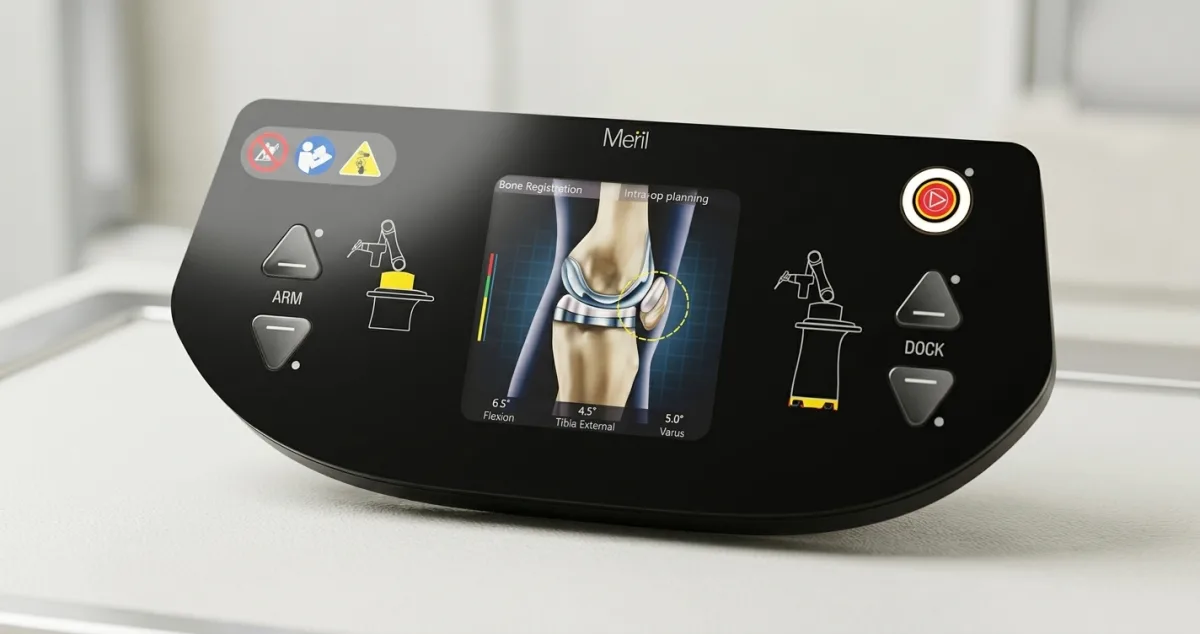
Human-Machine Interface (HMI) panels are the vital bridge between operators and industrial processes. They replace traditional buttons and switches with modern touchscreens, enabling real-time equipment monitoring, reci...
An HMI (Human-Machine Interface) Panel is essentially the dashboard or user interface that connects a human operator to a machine, system, or industrial process. Think of it as the smartphone screen for an entire factory floor—it translates complex, raw data from machinery into easy-to-read visual graphics, charts, and alerts.
Here is a breakdown of why they are considered the key to modern automation:
1. Centralized Control
Before HMIs, operators had to manually monitor and adjust machines using thousands of physical buttons, switches, dials, and extensive wiring. An HMI consolidates all of these controls into a single touchscreen or keypad interface, allowing users to start/stop processes, tweak settings, and troubleshoot from one central spot.
2. Real-Time Visibility
HMIs give operators a live look into the "health" and status of a system. They track and display critical metrics—like temperature, pressure, fluid levels, and production speeds—via graphical trends and charts. This real-time feed helps teams maximize efficiency and catch inefficiencies early.
3. Smart Alarm Management
When a machine component overheats or a production line jams, the HMI doesn't just sound an alarm; it precisely logs and displays where and why the fault occurred. This detailed diagnostics system minimizes costly downtime by enabling maintenance crews to react immediately.
How It Works Behind the Scenes
An HMI doesn’t operate in a vacuum. It serves as the visual translator for the machine's control system:
-
Sensors gather physical data from the machinery.
-
A PLC (Programmable Logic Controller) processes that data and determines what the machine should do.
-
The HMI Panel communicates with the PLC using standard industrial protocols (like Modbus or OPC UA) to display that data visually and send operator commands back down the line.
The Evolution into Industry 4.0
While early HMIs were basic text-based screens, modern panels have evolved into high-resolution, ruggedized hardware running operating systems like Linux or Windows IoT. Today, they are increasingly integrated with edge computing, cloud networks, and AI for predictive analytics, ensuring factories can anticipate maintenance needs before a breakdown even happens.
An HMI (Human-Machine Interface) Panel is the ultimate bridge between human operators and complex automated systems. By replacing physical buttons, switches, and analog dials with smart, interactive displays, HMIs have completely revolutionized the factory floor.
Here are the primary benefits that make HMI panels the key to modern automation:
1. Enhanced Efficiency & Centralized Control
Instead of walking around a massive facility to check individual machines, operators can monitor and control multiple processes from a single, centralized touchscreen.
-
Simplified Operations: Complicated machine commands are reduced to simple on-screen touches.
-
Rapid Parameter Adjustments: Operators can change recipes, speeds, or operational parameters instantly without rewiring hardware.
2. Real-Time Data Visibility & Monitoring
Modern HMIs turn raw machine data into highly digestible, visual insights.
-
Visual Graphics: Instead of reading code or binary signals, operators see live graphics, charts, and progress bars.
-
Key Metrics: Real-time tracking of temperature, pressure, output speeds, and fluid levels allows operators to keep production running at peak performance.
3. Advanced Alarm Management & Improved Safety
In a fast-paced industrial environment, safety and quick reaction times are paramount.
-
Precise Diagnostics: When a fault occurs, the HMI doesn’t just beep—it shows exactly where and why the error happened.
-
Preventative Safety: Visual and audible alarms warn operators of dangerous conditions (like pressure spikes or overheating) before they lead to catastrophic equipment failure.
-
Remote Monitoring: Many modern HMIs allow engineers to view safety statuses remotely, keeping human operators out of hazardous zones.
4. Reduced Downtime & Lower Costs
While high-quality HMIs require an upfront investment, they significantly lower long-term operational costs.
-
Faster Troubleshooting: Knowing the exact cause of a machine breakdown reduces troubleshooting time from hours to minutes.
-
Less Hardware: By digitizing physical controls, factories save money on purchasing, wiring, and maintaining hundreds of physical buttons, consoles, and indicator lights.
5. Industry 4.0 Integration & Scalability
Modern HMIs are built to evolve with the digital transformation of manufacturing.
-
Connectivity: They easily connect to the Cloud, Edge computing systems, and ERP databases using secure industrial protocols.
-
Predictive Maintenance: By logging operational history, they provide the historical data needed for AI algorithms to predict when a machine part is likely to fail, allowing maintenance to be scheduled before a breakdown occurs.
Summary of Value
| Feature | Traditional Control Panels | Modern HMI Panels |
| Interface | Physical buttons, dials, pilot lights | High-resolution interactive touchscreens |
| Diagnostics | Manual testing required to find faults | Instant, on-screen error location and alerts |
| Data Tracking | Manual logs or separate chart recorders | Automatic data logging and real-time graphing |
| Flexibility | Requires rewiring to change functions | Simple software update to add new features |
HMI (Human-Machine Interface) Panels are used across a vast range of industries and applications. Anywhere a human needs to control, monitor, or interact with complex machinery, automated systems, or digital processes, you will find an HMI panel.
1. Core Industrial Applications
In heavy industry and manufacturing, HMIs are the primary control hubs on the factory floor:
-
Automotive Manufacturing: Used to control and monitor robotic assembly arms, painting booths, and conveyor belt speeds.
-
Food & Beverage Production: Crucial for managing recipe mixing, controlling pasteurization temperatures, and regulating automated bottling or packaging lines.
-
Water and Wastewater Treatment: Operators use HMIs to monitor water flow rates, chemical dosing, pump statuses, and storage tank levels.
-
Pharmaceutical & Chemical Plants: Employed to precisely monitor sterile environments, pressure levels, chemical reactions, and batch-mixing recipes where pinpoint accuracy is vital.
-
Energy & Power Plants: Used in control rooms to monitor power grids, wind turbines, solar arrays, and traditional turbine generators.
2. Commercial & Daily Life Applications
Beyond heavy industrial settings, HMIs are integrated into systems we interact with every day:
-
Automotive Infotainment: The touchscreen dashboard in modern cars—used for GPS navigation, climate control, and media playback—is a specialized consumer HMI.
-
Smart Buildings & Homes: Touch panels used to control centralized heating, ventilation, air conditioning (HVAC), lighting, and security alarms.
-
Medical Equipment: High-precision screens on patient monitors, MRI machines, and anesthesia delivery units allow healthcare professionals to track vitals and input medical parameters.
-
Self-Service Kiosks: Automated teller machines (ATMs), airport check-in kiosks, and digital restaurant ordering screens.
3. Specific Functions They Perform
Within these industries, HMIs are deployed to handle several key tasks:
-
System Diagnostics: Allowing maintenance staff to quickly spot which component of a machine is failing or jammed.
-
Recipe Management: Letting operators easily switch a production line's settings (e.g., changing from packaging 12oz bottles to 2L bottles with a single tap).
-
Data Logging & Historical Trends: Tracking sensor values (like temperature or speed) over time to ensure quality control.
-
Feedback & Troubleshooting: Providing real-time visual alerts (like red flashing graphics) if operating parameters cross dangerous thresholds.
Keetronics ( India ) Pvt. Ltd. design specialized, ruggedized HMI panels specifically built to handle the heat, dust, and vibrations of these demanding work environments.
Keetronics (India) Pvt. Ltd. is a pioneering Indian manufacturing company specializing in advanced electronics, custom Human-Machine Interface (HMI) solutions, and input devices. Established in 1994, the company has over 32 years of industry experience and has completed more than 7,000 projects globally.
Keetronics designs, develops, and manufactures high-quality custom interfaces and automation hardware, including:
- Industrial Input Devices: PCB & PCF membrane switches, rugged customized computer keyboards, and metallic industrial keyboards.
- HMI & Displays: Customized rugged industrial touch displays and HMI solutions tailored for harsh environments.
- Smart Automation: Smart touch switches for homes, offices, and hotels, alongside custom embedded solutions.
- Specialized Industries: High-reliability input devices engineered specifically for defense, military, aerospace, medical, and marine applications.
Keetronics designs, develops, and manufactures HMI Panels - the key to modern automation
Need a custom HMI architecture for harsh operating conditions?
Talk to Our Team