
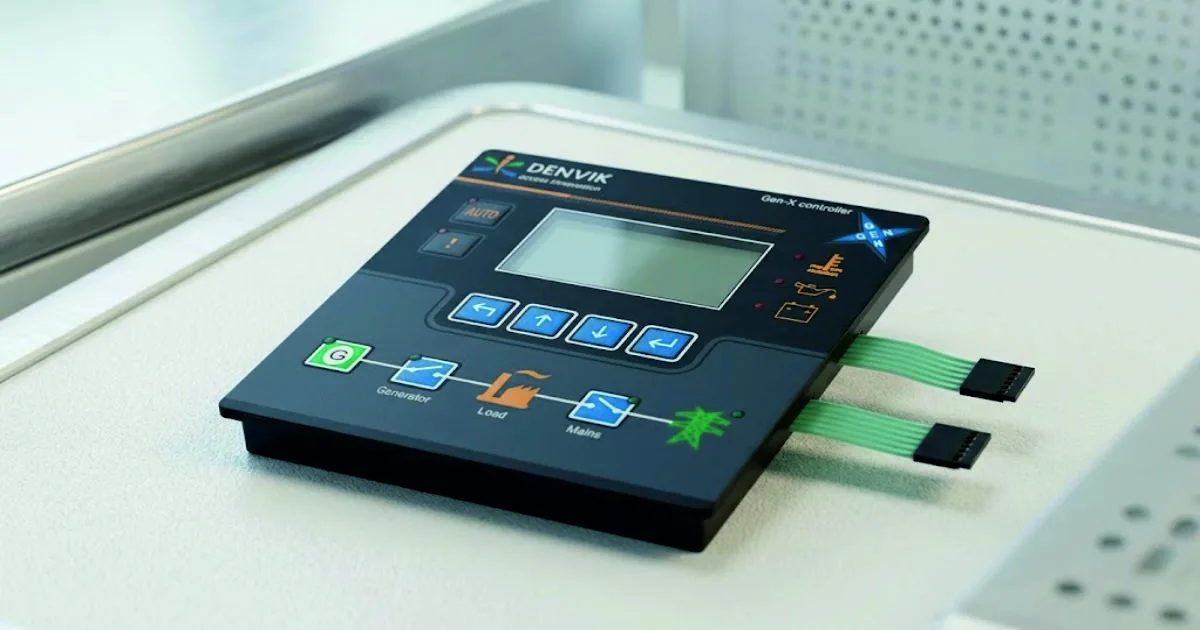
Testing an Operator Keypad on a Special Purpose Machine (SPM) involves verifying its structural integrity (seal and ingress protection) and operational reliability (tactile response and switch functionality)
Depending on the exact intent of your "leak test" (whether you are validating the physical seal against dust/liquids or testing the electrical input functions), follow these targeted steps:
1. Physical Ingress Protection (IP) Leak Testing
If you are testing the waterproof/dustproof seal of the keypad assembly (often done during manufacturing or R&D):
· Pressure Decay Test: Seal the keypad enclosure and apply a controlled air or gas pressure. Monitor the pressure for a specified drop over time to ensure the enclosure has no micro-leaks.
· Vacuum Decay Test: Pull a vacuum inside the keypad and measure the rise in pressure to check for leaks.
· Water Dunk Test: For robust keypads, the unit can be placed into an automated submerged water tank to visually inspect for escaping air bubbles.
2. Operational Function & Electrical Testing
If you are validating that the keypad inputs and signals work correctly without leakage currents:
· Switch Actuation Test: Program a repetitive actuation test cycle using an automated force/displacement tester to ensure every key actuates perfectly. Manufacturers often test durability up to 500,000 to 1 million cycles.
· Contact Resistance Test: Measure the electrical resistance across key contacts to ensure there are no unintended short circuits or poor connections.
· Leakage Current Test: Verify that there are no sneak/leakage currents between adjacent circuits on the PCB or membrane switch.
3. HMI / Interface Verification
· Use the SPM's PLC or HMI maintenance/diagnostic screen to check that the operator keypad properly communicates with the controller (e.g., verifying that pressing the "Start" or "Reset" key triggers the corresponding INPUT signal on the digital readout screen).
An Operator Keypad (or Operator Interface) on a Special Purpose Machine (SPM) is a customized control panel that allows a human operator to interact directly with the machine's control system—usually a Programmable Logic Controller (PLC) or a Dedicated Controller.
Because SPMs are custom-built to perform specific manufacturing tasks (like automated assembly, dedicated drilling, leakage testing, or precision welding), their operator keypads are tailored specifically to that machine's unique functions rather than being generic.
Here is a breakdown of what it is, its components, and its key functions:
1. Core Functions
· Machine Control: Starting, stopping, pausing, or resetting the specific automated cycle.
· Data Input: Entering operational parameters like batch counts, target dimensions, timer durations, or speed variables.
· Mode Selection: Switching the machine between different modes, such as Auto (for mass production), Manual/Jog (for maintenance or calibration), and Setup (for changing tools or parameters).
· Status Monitoring: Providing real-time feedback through simple LED indicators or small text displays regarding what part of the cycle the machine is executing.
2. Common Types of Keypads on SPMs
Depending on the complexity and age of the SPM, the operator interface can take a few different forms:
· Membrane Keypads: Very common in industrial environments. They feature flat, sealed, flexible buttons. They are highly durable and resistant to dust, water, oil, and coolant splashing.
· Industrial Push-Button Panels: Physical, heavy-duty buttons mounted on an enclosure. Often used alongside simple keypads for critical tactile operations (like cycle start or emergency stop).
· HMI (Human Machine Interface) Keypads: Text-based or basic graphic displays integrated with a physical numeric keypad. These allow the operator to navigate through basic menus to change machine settings.
3. Key Components Typically Found on the Panel
While layout changes per machine, you will almost always find:
· Numeric Inputs: Numbers 0–9, a decimal point, and ENTER / CLEAR keys for inputting values.
· Function Keys ($F1, F2, \dots$): Programmable keys mapped to specific SPM tasks (e.g., "Clamp Component," "Index Table," or "Unload Part").
· Directional/Navigation Arrows: For scrolling through settings on a small LCD display screen.
· Emergency Stop (E-Stop): While technically a separate safety device, a large, red mushroom-head E-stop button is almost always positioned directly adjacent to or on the operator keypad assembly for immediate access.
Implementing a dedicated Operator Keypad on a Special Purpose Machine (SPM) offers distinct engineering and operational advantages over using standard computer peripherals (like a generic mouse and keyboard) or relying solely on complex touchscreen interfaces.
Because SPMs are custom-designed for repetitive, high-precision industrial tasks, their operator keypads provide several distinct benefits:
1. High Durability in Harsh Environments
Industrial shop floors are full of hazards that easily destroy standard electronics. SPM operator keypads—especially sealed membrane switches or heavy-duty push-button panels—are built to last:
-
Ingress Protection: They are highly resistant to water, cutting coolants, oil, dust, and flying debris.
-
Chemical Resistance: Graphic overlays made of polyester or polycarbonate can withstand industrial solvents and frequent wipe-downs.
-
Glove-Friendly Usability: Physical or embossed buttons allow operators to easily input commands while wearing heavy industrial work gloves.
2. Enhanced Operational Safety
Safety is paramount around high-speed automation like dedicated drilling, welding, or assembly.
-
Tactile Feedback: Keypads with built-in metal or polyester domes provide a physical "snap" feel when pressed. This gives the operator immediate physical confirmation that a command was registered, which is vital in noisy factory settings.
-
Direct Safety Mapping: Critical machine commands (like Cycle Start, Hold, Reset, or Emergency Stop) are hardwired or directly programmed to a dedicated physical button. An operator can slam a physical button instantly without having to navigate through nested menus on a screen during an emergency.
3. Reduced Operator Error
Because an SPM is custom-built for one specific line of production, the keypad is streamlined exclusively for that machine's workflow.
-
Elimination of Clutter: Unlike a standard 104-key QWERTY keyboard, an SPM keypad only features the precise numeric inputs, directional arrows, and custom Function Keys ( etc.) required for the job.
-
Intuitive Labeling: Keys can be custom-printed with specific icons or text (e.g., "Clamp", "Unload", "Index Table"), drastically flattening the learning curve for less-skilled operators.
4. Maximized Machine Uptime & Efficiency
-
Dedicated Mode Switching: Keypads allow fast, direct switching between Auto (for mass production), Manual/Jog (for custom positioning or tool changes), and Setup modes, minimizing changeover time.
-
Compact, Space-Saving Design: A low-profile membrane keypad can be seamlessly integrated directly onto the machine's frame or a compact swinging pendant arm, keeping the footprint minimal and the workspace unhindered.
-
Hybrid Interfacing: In modern manufacturing setups, a physical keypad is often paired with a small LCD or touchscreen HMI. The screen handles detailed data tracking and visualization, while the rugged physical keypad handles high-frequency, repetitive button-mashing, which preserves the life of the screen.
Keetronics (India) Pvt. Ltd. is a pioneering Indian manufacturing company specializing in advanced electronics, custom Human-Machine Interface (HMI) solutions, and input devices. Established in 1994, the company has over 32 years of industry experience and has completed more than 7,000 projects globally.
Keetronics designs, develops, and manufactures high-quality custom interfaces and automation hardware, including:
- Industrial Input Devices: PCB & PCF membrane switches, rugged customized computer keyboards, and metallic industrial keyboards.
- HMI & Displays: Customized rugged industrial touch displays and HMI solutions tailored for harsh environments.
- Smart Automation: Smart touch switches for homes, offices, and hotels, alongside custom embedded solutions.
- Specialized Industries: High-reliability input devices engineered specifically for defense, military, aerospace, medical, and marine applications.
Keetronics designs, develops, and manufactures high-quality Operator Keypad on a Special Purpose Machine (SPM)
Need a custom HMI architecture for harsh operating conditions?
Talk to Our Team