
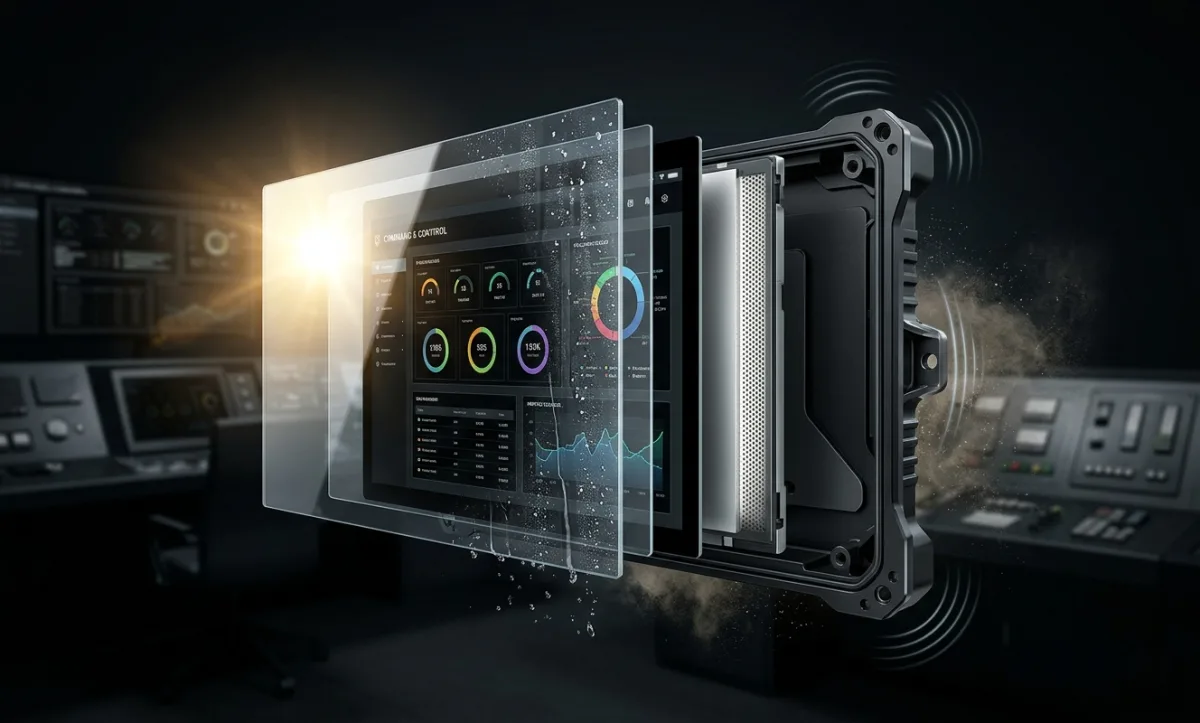
Printed electronics in the automotive sector involve depositing conductive inks and semiconductors onto flexible, stretchable, or 3D-molded substrates. This manufacturing process reduces vehicle weight and allows for sl...
Printed electronics are transforming modern automotive design by replacing bulky, heavy, and rigid components with ultra-thin, lightweight, and flexible alternatives. By depositing conductive inks and semiconductors onto flexible, stretchable, or 3D-molded substrates, manufacturers can integrate electronic functionality directly into the structural surfaces of a vehicle.
Here is a breakdown of how this technology is reshaping the automotive industry:
1. Human-Machine Interfaces (HMI) & Smart Surfaces
Traditional mechanical buttons, dials, and heavy wiring harnesses are being replaced by seamless, intelligent interior surfaces.
-
In-Mold Electronics (IME): This process integrates printed circuitry and capacitive touch sensors directly into 3D-plastic molded parts (like dashboards, door panels, and overhead consoles).
-
Seamless Aesthetics: Functional controls remain completely invisible until they are backlit, allowing for clean, high-end "smart" wooden, leather, or plastic surfaces that respond to a simple touch or swipe.
2. Integrated Sensors & Passenger Comfort
Because printed electronics are thin and flexible, they can be embedded in areas where traditional sensors cannot fit.
-
Smart Seating: Flexible pressure and temperature sensors are integrated directly into vehicle seats. They monitor passenger occupancy, optimize airbag deployment, and automatically adjust climate control.
-
Battery Monitoring in EVs: Ultra-thin printed sensor arrays can be placed directly between battery cells to monitor temperature and structural swelling in real-time, improving overall electric vehicle safety.
3. Advanced Heating & Lighting
-
Printed Heaters: Rather than using bulky copper wires, conductive heating elements can be printed directly onto interior surfaces like steering wheels, armrests, and seats for more efficient, targeted heating.
-
Transparent De-icers: Conductive inks can be printed invisibly onto windshields and windows to act as high-efficiency defrosters.
-
OLED Lighting: Printed organic light-emitting diodes (OLEDs) enable ultra-thin, flexible, and highly customizable exterior taillights and ambient interior lighting.
4. Transparent Antennas & Connectivity
With vehicles requiring constant cellular, GPS, and V2X (Vehicle-to-Everything) connectivity, printed electronics make it possible to print transparent antennas directly onto windows, sunroofs, or body panels—eliminating the need for visible "shark fin" antennas on the roof.
Key Benefits for Automotive Manufacturers
-
Weight Reduction: Replacing copper wiring harnesses and mechanical switches significantly lowers vehicle weight, which directly extends the driving range of Electric Vehicles (EVs).
-
Space Saving: Eliminating bulky mechanical housings behind dashboards frees up valuable cabin space for designers.
-
Design Freedom: Circuitry can now bend, stretch, and conform to the aerodynamic and organic shapes of modern vehicles.
Printed electronics represent a revolutionary manufacturing method where electronic devices are created by printing conductive, semiconductive, or insulating inks onto various flexible substrates.
Unlike traditional silicon-based semiconductor manufacturing—which relies on rigid boards, complex photolithography, and material etching—printed electronics use common printing equipment (like inkjet, screen printing, or gravure) to add materials precisely where they are needed.
How It Works
-
The Substrate: Instead of rigid fiberglass (FR4) boards, electronics are printed on thin, flexible, and often inexpensive materials like plastic films (PET, PEN, polyimide), paper, textiles, or even glass.
-
Functional Inks: Special liquid inks containing conductive nanoparticles (usually silver, copper, or carbon), organic semiconductors, or dielectric (insulating) materials are used to form the circuits.
-
The Printing Process: High-speed roll-to-roll (R2R) printing presses—similar to those used to print newspapers—deposit the inks in layers to form transistors, resistors, capacitors, and conductive traces.
Keetronics (India) Pvt. Ltd. is a pioneering Indian manufacturing company specializing in advanced electronics, custom Human-Machine Interface (HMI) solutions, and input devices. Established in 1994, the company has over 32 years of industry experience and has completed more than 7,000 projects globally.
Keetronics designs, develops, and manufactures high-quality custom interfaces and automation hardware, including:
- Industrial Input Devices: PCB & PCF membrane switches, rugged customized computer keyboards, and metallic industrial keyboards.
- HMI & Displays: Customized rugged industrial touch displays and HMI solutions tailored for harsh environments.
- Smart Automation: Smart touch switches for homes, offices, and hotels, alongside custom embedded solutions.
- Specialized Industries: High-reliability input devices engineered specifically for defense, military, aerospace, medical, and marine applications.
Keetronics designs, develops, and manufactures Printed electronics
Need a custom HMI architecture for harsh operating conditions?
Talk to Our Team