
Custom capacitive dashboard switches replace mechanical buttons with sleek, solid-state touch panels that register input via human body capacitance. They offer infinite lifespans, weatherproofing (up to IP69K), and cust...
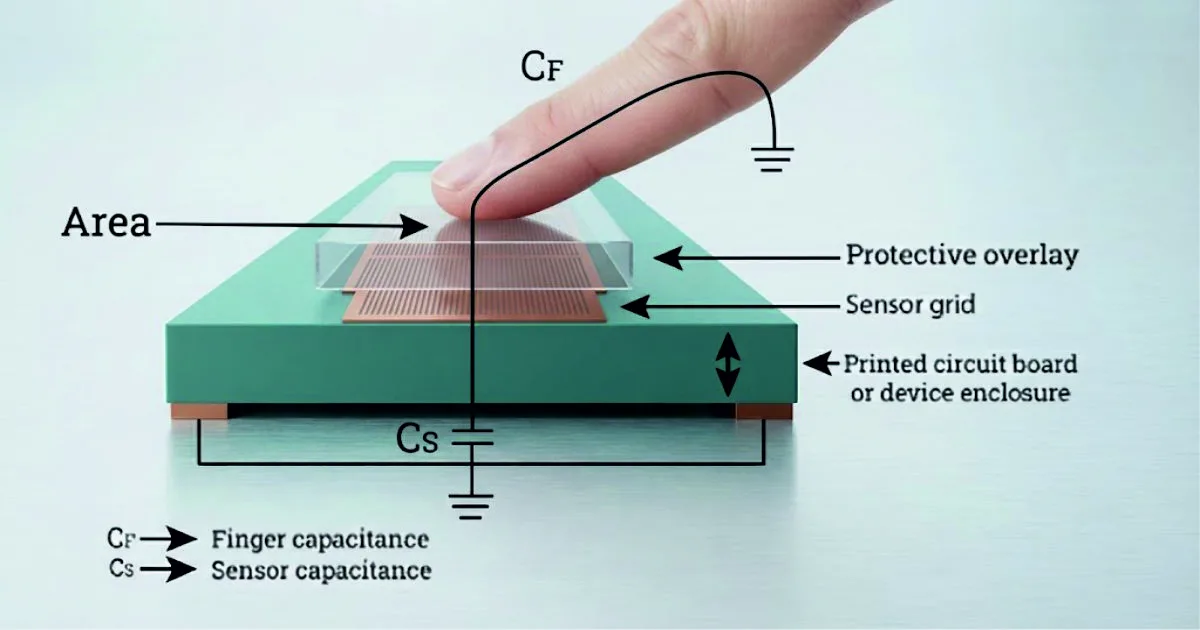
Custom capacitive dashboard switches are touch-sensitive control interfaces designed for vehicles, industrial machinery, and premium appliances. Unlike traditional mechanical buttons, they have no moving parts. Instead, they operate by detecting the electrical capacitance of the human body.
When your finger gets close to or touches the surface, it alters the local electrostatic field. The system’s microchip registers this change in capacitance and triggers the corresponding command.
Key Features & Design Advantages
· Sleek, Modern Aesthetics: Because the sensors sit behind a solid top layer, the dashboard can feature a completely flat, seamless surface.
· "Secret-Until-Lit" Backlighting: Using translucent printing and hidden LEDs, icons and indicator symbols can remain completely invisible until the vehicle is turned on or a specific function is activated.
· Extreme Durability & Sealing: Since there are no moving parts or open gaps, the entire panel can be fully sealed. This makes them highly resistant to dust, water spills, moisture, and harsh cleaning chemicals.
· Flexible Layouts: Designers can easily integrate non-traditional controls, such as curved sliders, rotary wheel simulations, and proximity sensors that trigger cabin lighting when your hand simply hovers nearby.
· Haptic Feedback: To counter the "smooth glass" feel and prevent driver distraction, modern automotive custom panels are often paired with physical vibration motors (haptics) or subtle surface embossing to give you tactile confirmation that a button was pressed.
Common Applications
While highly popular in modern electric vehicles (EVs) and luxury cars (for center consoles, steering wheels, and overhead controls), you will also find them in:
· Marine electronics and boat dashboards (where waterproofing is critical).
· Medical equipment (for easy sterilization).
· High-end kitchen appliances and smart home control panels.
Manufacturing custom capacitive dashboard switches involves layering several specialized materials and electronic components to create a seamless, durable, and responsive control panel.
The manufacturing process is broken down into five core phases:
1. Designing and Material Selection
Before production begins, engineers determine the custom overlay materials and electrical specifications based on where the panel will be used (e.g., automotive interior vs. rugged marine dashboard).
· Overlay Layer: This is the top surface the user touches. Typical choices include tempered glass, polycarbonate, or acrylic.
· Adhesives: Optically Clear Adhesives (OCA) are chosen to secure the layers without interfering with touch sensitivity or light transmission.
2. Sensor Layer Printing and Etching
The "brains" of the touch sensitivity lie in the sensor layer, which detects the electrical capacitance of a human finger.
· Conductive Material Application: Manufacturers print or etch conductive paths using materials like Indium Tin Oxide (ITO), copper, or conductive silver inks onto a flexible polyester (PET) film or a rigid PCB.
· Circuit Patterning: The custom layout—including buttons, sliders, or rotary wheels—is mapped directly onto this layer.
3. Graphic Layer Printing & "Secret-Until-Lit" Engineering
To achieve the modern, clean look seen on high-end vehicle dashboards, the graphics are printed on the underside of the top overlay.
· Screen or Digital Printing: Icons, text, and borders are printed using specialized inks.
· Dead-Front (Secret-Until-Lit) Printing: Translucent, smoky inks are applied over specific areas. This ensures the button icons remain completely invisible (dead-fronted) until a backlighting LED turns on from underneath.
4. Backlighting and Feedback Integration
Because touch surfaces are entirely flat, additional components are integrated to improve usability and driver safety.
· LED Placement: Light-emitting diodes (LEDs) or light guides are mounted onto the lower circuit layer to provide precise illumination for specific icons.
· Haptic Motor Assembly: Miniature vibration motors (ERM or piezo actuators) are integrated into the housing structure to provide physical tactile feedback when a touch is registered.
5. Final Lamination, Sealing, and Testing
The individual layers are combined into a single, cohesive unit.
· Cleanroom Lamination: The graphic overlay, adhesive layers, sensor film, and backplate are laminated together in a dust-free cleanroom to avoid air bubbles or debris that could ruin the sensors.
· Environmental Sealing: The edges are fully sealed to ensure resistance to dust, water spills, and moisture, making it a rugged, long-lasting interface.
· Calibration & Testing: Every custom board is plugged into automated testing equipment to calibrate the sensor sensitivity, ensuring it doesn't trigger falsely from a nearby object but responds instantly to an actual touch.
Keetronics (India) Pvt. Ltd. is a pioneering Indian manufacturing company specializing in advanced electronics, custom Human-Machine Interface (HMI) solutions, and input devices. Established in 1994, the company has over 32 years of industry experience and has completed more than 7,000 projects globally.
Keetronics designs, develops, and manufactures high-quality custom interfaces and automation hardware, including:
- Industrial Input Devices: PCB & PCF membrane switches, rugged customized computer keyboards, and metallic industrial keyboards.
- HMI & Displays: Customized rugged industrial touch displays and HMI solutions tailored for harsh environments.
- Smart Automation: Smart touch switches for homes, offices, and hotels, alongside custom embedded solutions.
- Specialized Industries: High-reliability input devices engineered specifically for defense, military, aerospace, medical, and marine applications.
Keetronics designs, develops, and manufactures high-quality Custom capacitive dashboard switches
Need a custom HMI architecture for harsh operating conditions?
Talk to Our Team